
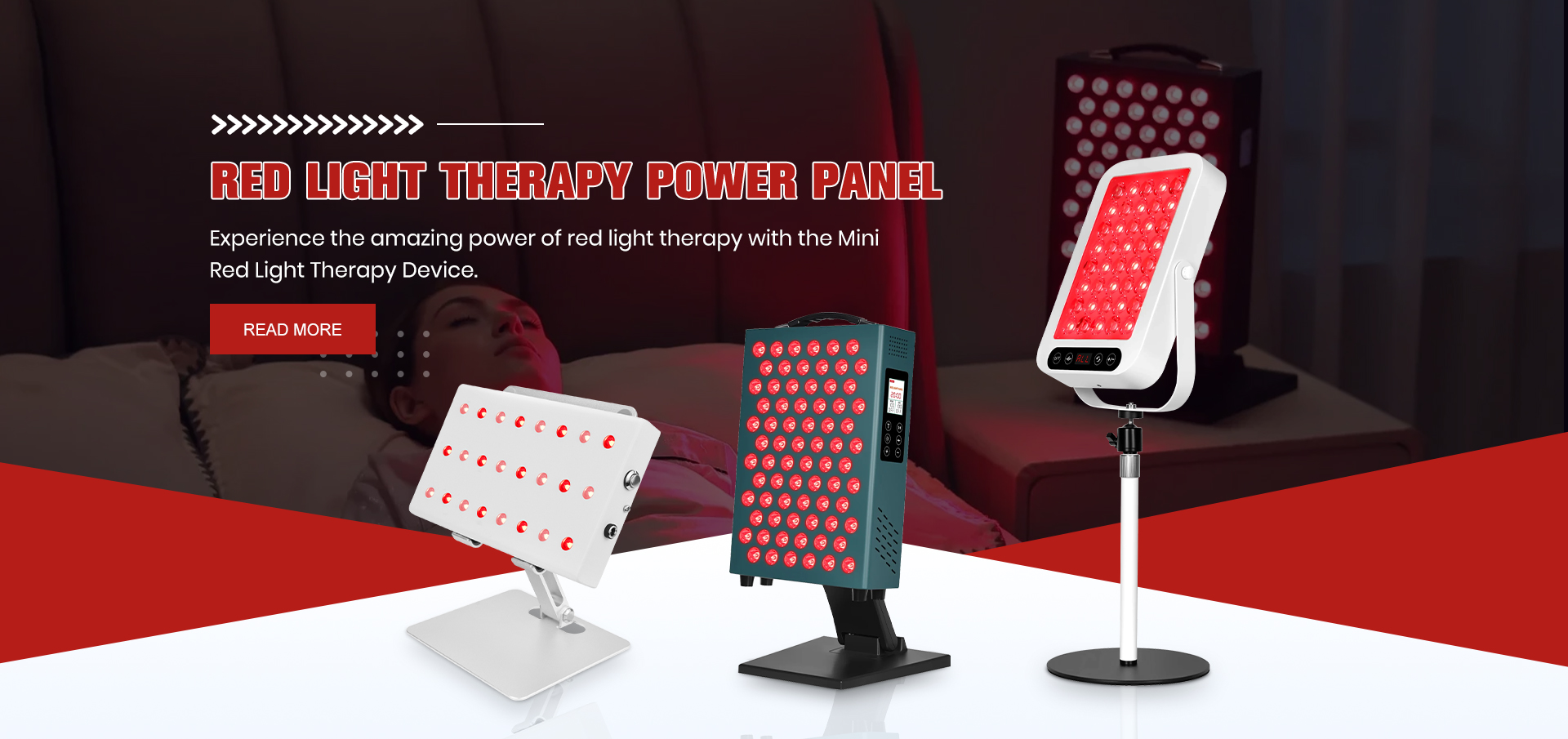
Red Light Therapy at Home
Experience the benefits of professional-grade red light therapy in the comfort of your home with our advanced LED panels.
Red Light Therapy Panels Collection


What is red light therapy?
About Red Light Therapy (RLT)
Red light therapy is a non-invasive treatment technique that utilizes specific wavelengths of red light (600–700 nm) or near-infrared light (800–1000 nm). It is a form of photobiomodulation (PBM) therapy, which uses low-energy light to illuminate the skin or tissues, stimulating cellular function and promoting repair and regeneration.
How Red Light Therapy Works Red and near-infrared light penetrate the skin (to depths ranging from a few millimeters to several centimeters) and is absorbed by mitochondria within cells, specifically cytochrome C oxidase (an enzyme involved in energy production). This results in: Increases ATP (cellular energy) → promotes cellular repair and metabolism. Reduces oxidative stress → reduces inflammation. Stimulates blood circulation → improves tissue oxygen and nutrient delivery. Stimulates collagen and elastin production → contributes to skin repair and anti-aging.
What scenarios is red light therapy suitable for?
Medical Aesthetics and Skin Health
This is the most widely known application area for red light therapy, primarily working by boosting cellular energy (ATP) and collagen production.
Anti-Aging and Fine Line Reduction:
How it works: Red light stimulates fibroblasts in the dermis, promoting collagen and elastin production, thereby increasing skin elasticity, reducing wrinkles and fine lines, and making skin appear firmer and more youthful. Applications: Routine treatments in home beauty devices, beauty salons, and medical aesthetic clinics.
Acne Treatment:
ow it works: Red light has anti-inflammatory properties, inhibiting bacteria in the skin (especially Propionibacterium acnes), reducing inflammation and redness, and accelerating healing. Applications: As an adjunct to medical treatment for mild to moderate inflammatory acne.
FAQ's for Red Light Therapy at Home
How often should I use red light therapy?
Most experts recommend 3-5 sessions per week for 10-20 minutes each. However, this can vary depending on your specific goals and the device you're using. It's best to follow the manufacturer's guidelines for your particular device.
Is red light therapy safe?
Red light therapy is generally considered safe when used as directed. Unlike UV light, it doesn't cause DNA damage or increase cancer risk. Side effects are rare but can include temporary redness or irritation in sensitive individuals.
How long does it take to see results from red light therapy?
Results vary depending on the condition being treated and individual factors. Some people may notice improvements in skin appearance within 4-6 weeks, while others might need 2-3 months of consistent use to see significant changes, especially for deeper tissue issues.
Can I use red light therapy with other treatments?
Yes, red light therapy can often be combined with other treatments. Many people use it alongside skincare products, medications, or other therapies. However, it's always a good idea to consult with a healthcare professional before combining treatments.
What's the difference between red light and near-infrared light?
Red light (630-660nm) is visible to the human eye and primarily affects the skin's surface. Near-infrared light (810-850nm) is invisible and penetrates deeper into tissues, reaching muscles, joints, and even internal organs. Many devices use a combination of both wavelengths for comprehensive benefits.
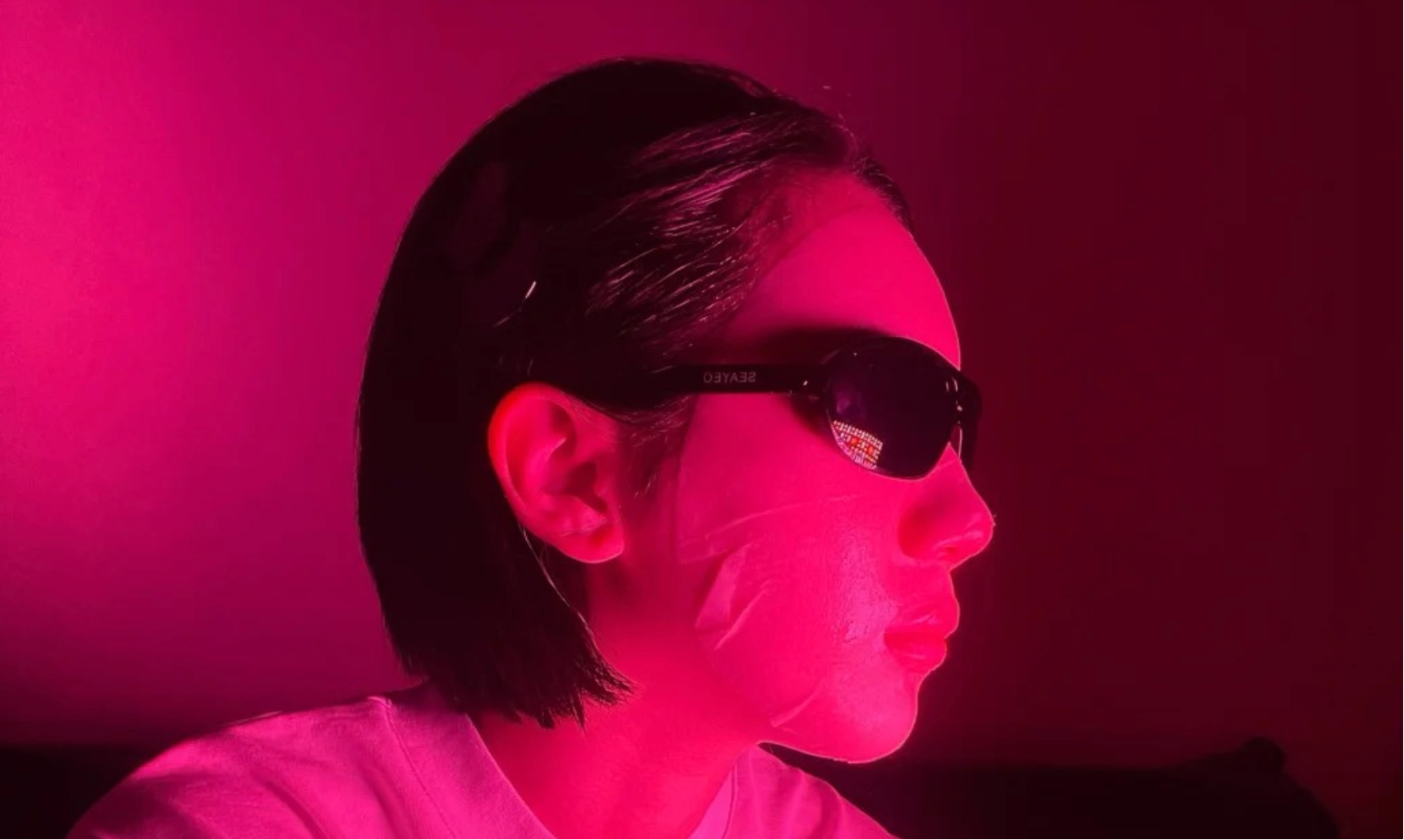
Do I need to wear eye protection during red light therapy?
While red light therapy is generally safe for the eyes, it's recommended to wear eye protection, especially during longer sessions or when using devices with higher intensity. This is a precautionary measure to prevent potential eye strain or damage.